The most common question I get from high school runners and parents in San Diego is some version of: should my athlete be doing more speed work or more mileage? The honest answer is that the question itself is framed wrong. Speed and endurance are not competing priorities you trade off — they are two halves of the same engine, and for a middle distance runner they have to be developed together across the week. As a private track coach, I structure every week so that both qualities get deliberate attention without either one breaking the athlete down.
A Balanced Week Has a Clear Rhythm
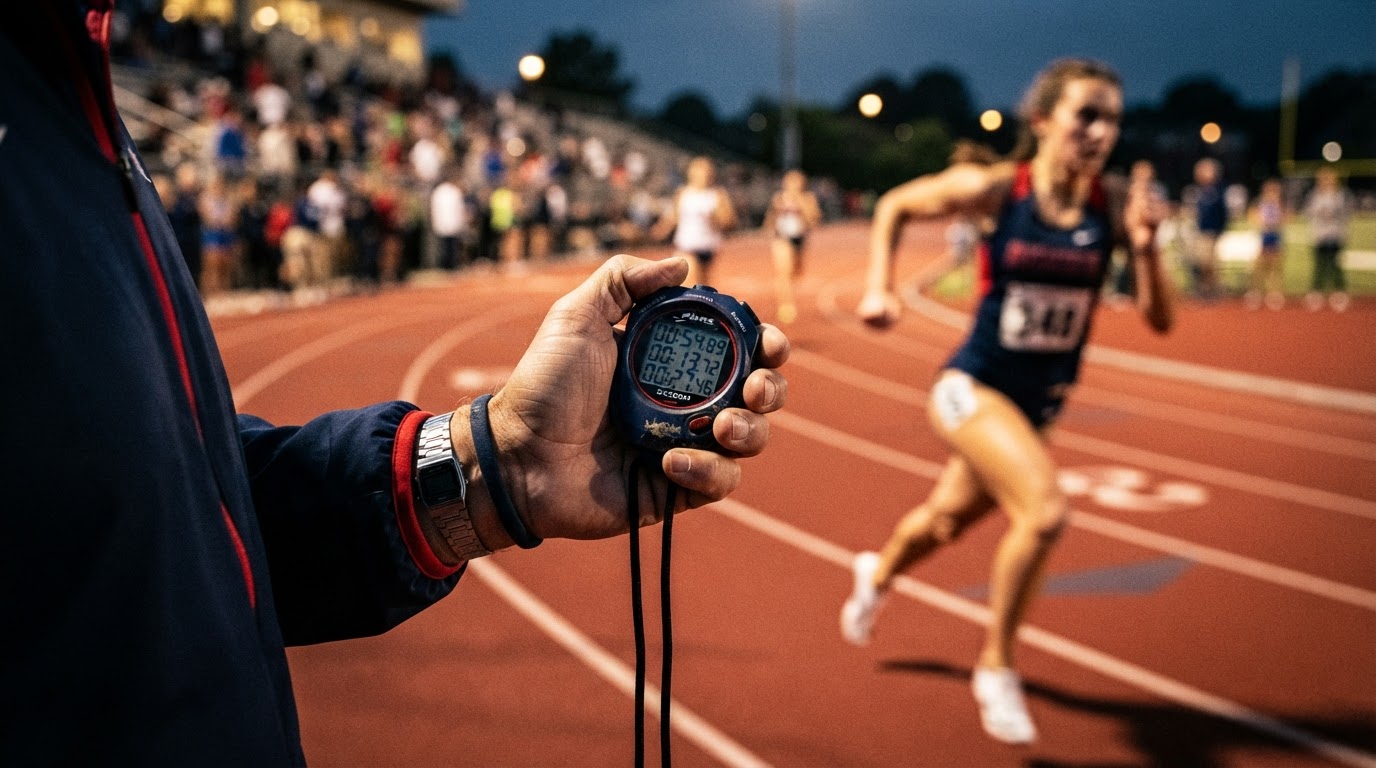
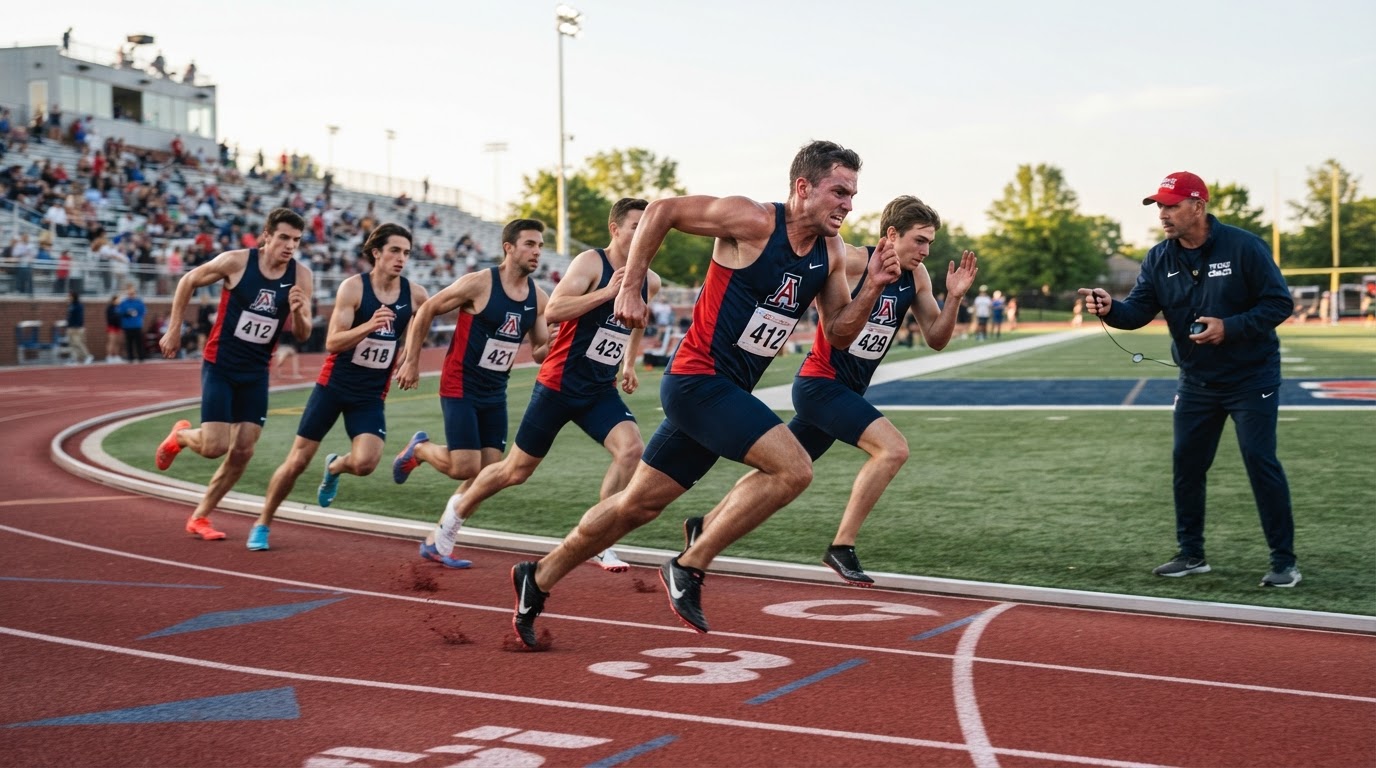
A typical training week for a high school 800m or miler I coach is not random. It has a rhythm. One day focuses on speed development — short, fast reps with full recovery that build raw turnover and mechanics. Another day focuses on aerobic endurance, the engine that lets a runner hold speed late in a race. A third day is race-specific work, where we practice running at goal race pace so the body learns the rhythm and the mind learns the effort. Easy days and recovery are not afterthoughts; they are where the adaptation actually happens.
The hard-easy principle protects both qualities
The reason this structure works is the hard-easy principle. You cannot build speed on tired legs, and you cannot build endurance if every day is a hard interval session. By spacing the hard efforts and respecting recovery, a runner can develop both speed and endurance in the same season without burning out. The runners who improve the most are almost always the ones who recover the best, not the ones who work the hardest.
Adjusting the Balance to the Athlete
The exact balance shifts based on the athlete in front of me. A sprint-leaning 800 runner gets more aerobic support early in the season; a distance-leaning runner gets more pure speed and acceleration work. As championship meets approach, the work becomes more race-specific and the volume comes down. That progression is not guesswork — it is planned around the athlete's racing schedule and how their body is responding week to week.
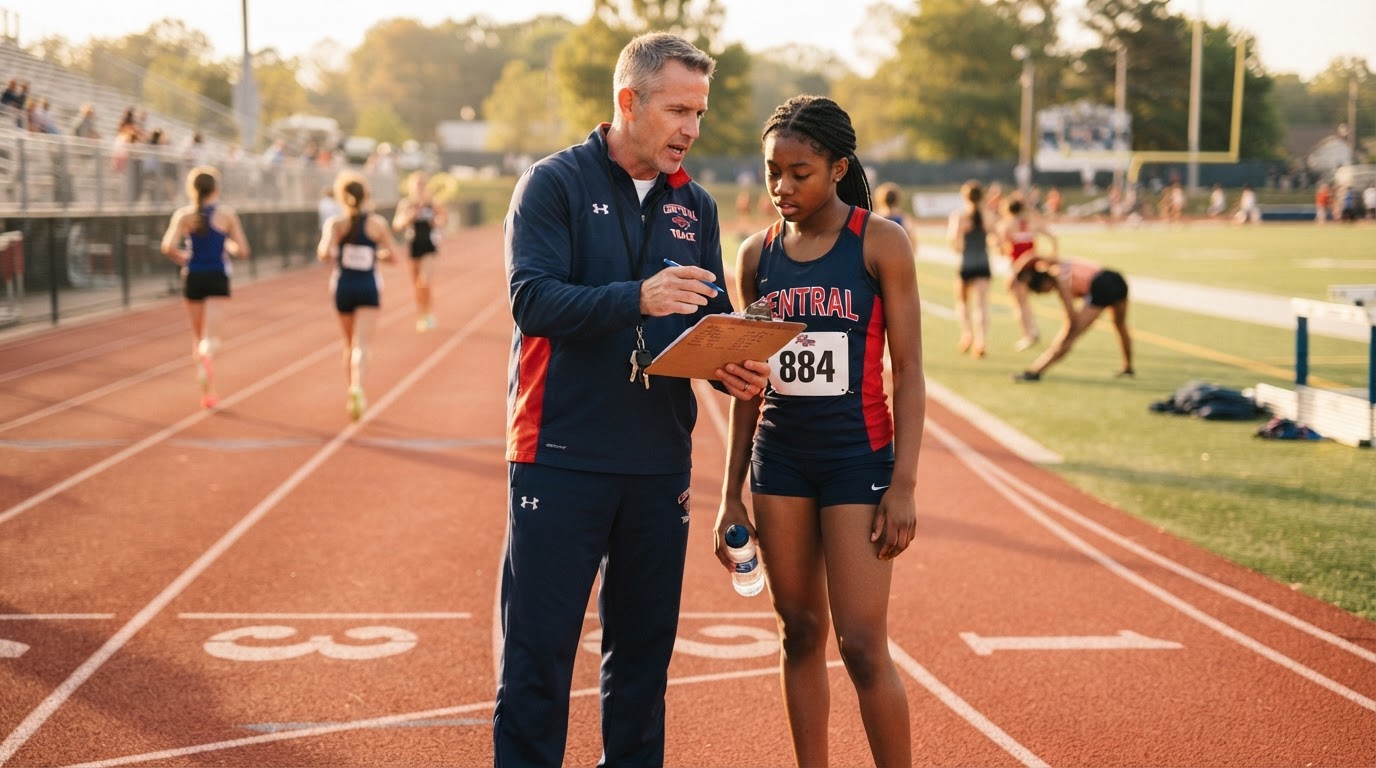
If your high school runner is trying to balance school practice, private coaching, and a full race schedule, the key is a plan that respects both speed and endurance without overloading either. That balance is exactly what individualized middle distance coaching is built to provide.
Coach Ken Nwadike
Private track coach in San Diego with 30+ years of competitive running experience. From a 4:15 high school miler to a 1:48 800m runner on the Nike Farm Team, Masters national champion, and Team USA athlete, Coach Ken helps middle distance runners train with purpose and race with confidence.
Train With Coach Ken