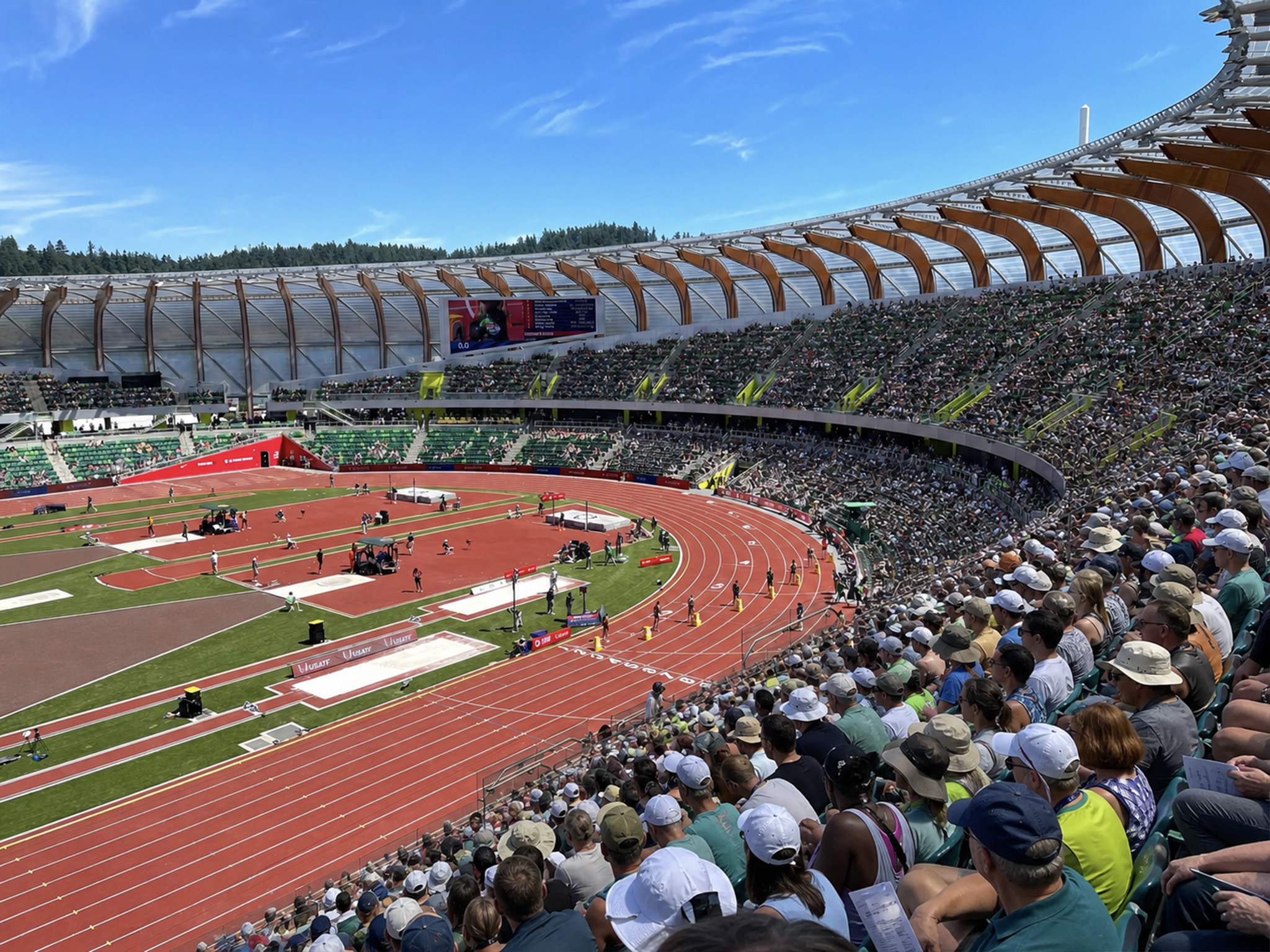
Train for the Next Level.
Turn ambitious goals into a purposeful development plan.
For athletes who dream of competing beyond high school, talent is only the beginning. Performance development, academics, race experience, consistency, communication, and preparation all play a role in creating opportunities at the next level. Coach Ken helps athletes understand what it takes to progress from high school competition toward national championship meets and collegiate track & field while developing the performances, habits, confidence, and professionalism needed to pursue those opportunities.
No promises. No shortcuts. Just purposeful preparation for bigger opportunities.
What Are You Training For?
Running faster is important. But having a larger goal can completely change the way an athlete approaches training. For some athletes, that goal may be:
When athletes understand what they are working toward, every workout begins to have greater purpose. San Diego Track Coach helps athletes connect today's training with tomorrow's opportunities.
Train for more than your next race. Train for where the sport could take you.
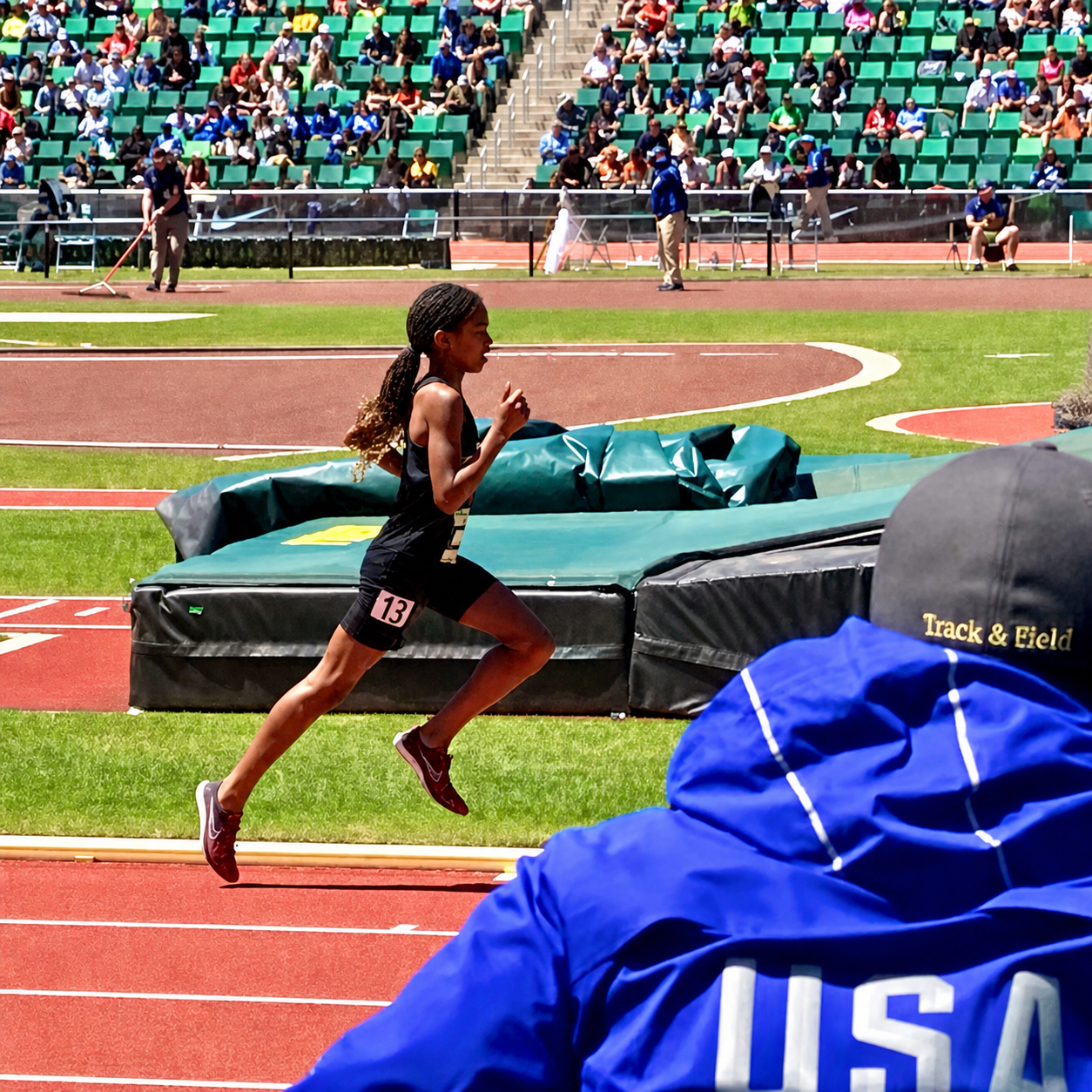
From Local Tracks to National Stages
For athletes ready to pursue higher levels of competition, national championship meets can become an exciting long-term goal.






National competition begins with national-level preparation.
Coach Ken educates athletes on the performance standards, preparation, consistency, and race execution required to pursue opportunities at major championship meets. Qualification or acceptance is never guaranteed. Standards and entry procedures vary by meet and may change from year to year.
Don't Just Dream About Nationals. Build Toward It.
Establish the Goal
Identify the athlete's primary events, current personal records, championship aspirations, and realistic long-term performance targets.
Know the Standard
Learn the current qualifying or acceptance standards for targeted championship meets and understand the performance gap between where the athlete is today and where they want to be.
Build the Athlete
Develop the speed, endurance, strength, mechanics, race awareness, confidence, and mental toughness required for higher-level competition.
Plan the Season
Strategically identify races and opportunities where the athlete can compete against strong fields, develop racing experience, and pursue qualifying performances.
Prepare to Perform
As championship opportunities approach, training becomes increasingly specific to the athlete's event, racing demands, and performance goals.
Compete With Confidence
Teach athletes how to handle the environment of major competitions: warm-ups, race-day nerves, tactical decisions, championship rounds, travel, recovery, and competing against athletes they may have only seen in rankings.
The goal is not simply to get an athlete to a big meet. It is to prepare them to belong there.
Could You Compete in College?
There is no single time that automatically makes an athlete a college recruit. Recruiting standards vary significantly based on:
Some of the strongest Division III programs, for example, may have performance standards comparable to many scholarship-level programs. Instead of chasing one universal recruiting number, Coach Ken helps athletes and families understand where their current performances may fit and what level of development may be required to become more competitive for the schools they are interested in.
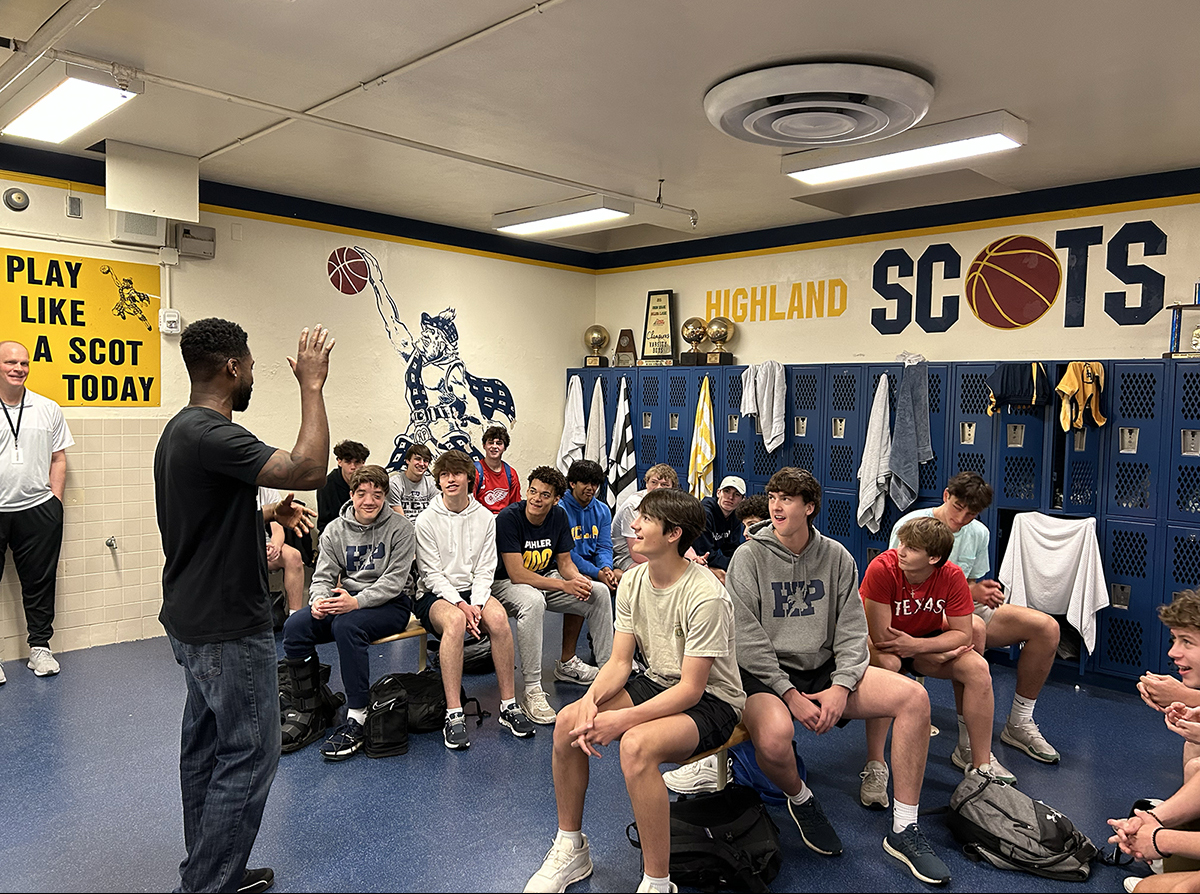
Many Ways to Compete at the Next Level
Each college determines its own performance expectations. The cards below explain the landscape — they do not present specific times as universal recruiting standards.
NCAA Division I
The highest level of NCAA competition.
Division I programs can include nationally ranked teams, conference championship programs, and schools with very deep event groups. Highly competitive programs often recruit athletes with strong state, regional, or national-level performances.
Current NCAA Division I eligibility includes NCAA Eligibility Center registration, completion of 16 approved core courses, the NCAA 10/7 core-course progression requirement, and a minimum 2.3 core-course GPA. Athletic ability alone does not determine admission or eligibility.
Learn Where Your Marks FitNCAA Division II
High-level competition with a wide range of competitive programs.
Division II can provide excellent opportunities for athletes who want serious collegiate competition while finding the right academic and athletic fit. Recruiting standards vary significantly by program.
Current NCAA Division II eligibility includes NCAA Eligibility Center registration, 16 NCAA-approved core courses, and a minimum 2.2 core-course GPA. Division II schools may provide athletics aid using a partial-scholarship model, with individual awards varying by institution and athlete.
NCAA Division III
Competitive athletics with a strong emphasis on academics and the overall college experience.
Division III contains a very broad range of track programs, including some extremely competitive teams. Division III schools do not award athletic scholarships, although students may qualify for academic, merit-based, and need-based financial aid. Admissions and athletic standards vary by institution.
No athletic scholarship does not mean lower-level competition. Some of the strongest Division III programs have performance standards comparable to many scholarship-level programs.
NAIA
Another strong pathway to collegiate competition.
NAIA programs can provide excellent competitive and financial-aid opportunities for student-athletes. Athletic standards vary widely by program.
Student-athletes pursuing NAIA competition should understand the NAIA eligibility process and register through the appropriate NAIA eligibility system.
Junior College / Two-Year Pathway
Development can take many routes.
Junior college programs can provide athletes with additional time to develop athletically and academically before potentially transferring to a four-year university. For some athletes, this can be an excellent pathway toward eventually competing at a higher collegiate level.
Your Best College Level Is the One That Fits You.
The right program should consider more than running times. Athletes should evaluate:
Your High School Recruiting Roadmap
Build the Foundation
- Learning how to train correctly
- Developing speed and endurance
- Establishing good academic habits
- Exploring primary events
- Recording official race performances
- Becoming coachable
- Developing consistency
Freshman year isn't about being recruited. It's about becoming the athlete who may be recruited later.
Start Building Your Profile
- Continued performance progression
- Establishing meaningful personal records
- Competing in stronger meets
- Learning race strategy
- Understanding collegiate levels
- Maintaining strong academics
- Beginning to explore colleges
- Tracking verified race results
Start creating a history of improvement.
Turn Progress Into Opportunity
- Major performance goals
- Championship competition
- National qualifying opportunities
- Identifying realistic college programs
- Creating an athletic résumé
- Developing a college list
- Learning how to contact coaches
- Sharing verified performances
- Developing race video and results links
- Understanding recruiting communication
- NCAA/NAIA eligibility preparation where appropriate
Junior year can become one of the most important seasons in the recruiting journey.
Find the Right Opportunity
- Continued performance
- Communicating with interested coaches
- Narrowing the college list
- Campus visits
- Applications
- Academic eligibility
- Financial-aid conversations
- Understanding roster opportunities
- Comparing academic and athletic fit
- Preparing for the transition to collegiate training
The goal isn't simply to get recruited. It's to find an opportunity where you can succeed.
Give College Coaches the Information They Need
Fast performances matter, but athletes should also learn how to present themselves professionally. Coach Ken helps athletes understand how to organize a clear recruiting profile that can include:
Athlete Information
- Name
- Graduation year
- High school
- Primary events
- Height if appropriate
- Contact information
Performance
- Verified personal records
- Season bests
- Championship performances
- Athletic.net, MileSplit, or other verified result links
- Relevant rankings
- Progression history
Academics
- GPA
- Intended college major
- Academic achievements
- Graduation information
Competition
- Upcoming race schedule
- Championship participation
- Significant meet results
Media
- Race videos
- Highlight clips when appropriate
- Links to verified performance profiles
Contact
- Athlete contact information
- Parent contact information where appropriate
- High school coach
- Club/private coach
Make it easy for a college coach to understand who you are, how fast you are, and where you may be headed.
Recruiting Is Also About Communication.
College coaches receive a large number of emails and recruiting inquiries. Athletes should learn how to communicate clearly, professionally, and confidently. Coach Ken can help athletes understand how to:
Run fast. Communicate well. Make it easy for coaches to follow your progress.
Coaches Recruit What You Become
One race does not define an athlete. One of the most valuable things a developing runner can demonstrate is progression. A high school athlete who consistently improves season after season can become much more compelling than an athlete whose performances remain stagnant. Coach Ken's approach focuses on long-term athlete development rather than chasing quick results.
The objective is not simply to run fast today. It is to keep becoming a better athlete.
Specialized Training Creates Purpose
Performance Development
Train specifically for the demands of the 400m, 800m, 1500m, mile, and related middle distance events.
Championship Preparation
Learn how to prepare physically and mentally for high-pressure races and major competitions.
Race Intelligence
Develop pacing, positioning, tactical awareness, finishing ability, and confidence.
Recruiting Preparation
Understand how your performances compare with collegiate opportunities and learn how to present your athletic progress professionally.
Mentorship
Develop discipline, accountability, confidence, resilience, and the habits necessary to succeed beyond high school track.
Overcoming Challenges
Learn how to navigate setbacks, plateaus, injuries, and pressure with the mindset, patience, and support needed to keep moving forward.
How Far Could Running Take You?
You don't need to know today whether you'll become a Division I athlete, compete at a national championship, or earn an opportunity to run in college. But if those possibilities excite you, start preparing for them. Build your speed. Build your endurance. Learn how to race. Become a student of the sport. And surround yourself with coaching and athletes who challenge you to discover what you're capable of becoming.
Train with purpose. Compete with confidence. Prepare for the next level.